
"Korea coffee consumption"
200 article(s) found

Coffee consumption in North Korea far exceeds that in China
According to the latest report from the International Coffee Organization, North Korea imported an average of 19000 bags (60 kg / bag) of coffee per year from 2000 to 2012, equivalent to 50 grams of coffee beans and about 7 cups of coffee per capita, Yonhap news agency reported. From 1990 to 1999, North Korea imported an average of less than 1000 bags of coffee a year, but that number increased significantly after 2000, the report said. It is reported that
The coffee consumption market in South Korea still has room to rise.
According to a report on the website of North Korea Daily on September 29, South Korean East and West Foods released the "2013 South Korean Coffee Market Forecast" on the 29th of this month. South Koreans are expected to drink a total of 24.2 billion cups of coffee this year, with an average of 484 cups per person a year. This is an increase of 55% compared with the previous 2000 statistics, accounting for 2.1% of the world coffee market. It is expected today
The per capita annual coffee consumption in China is less than 6 cups. Understand the development of coffee drinking habits in Europe, America, Japan and South Korea.
Professional coffee knowledge exchange more coffee bean information please follow the coffee workshop (Wechat official account cafe_style)

Coffee with you? Coffee with your brand know?
Professional coffee knowledge exchange More coffee bean information Please pay attention to Coffee Workshop (Weixin Official Accounts cafe_style) Coffee Accompanying You is the largest coffee enterprise in Korea. Since its rise in Korea in 2008, it has reached 800 chain stores in Korea in July 2012, surpassing Starbucks to become the first chain brand of coffee in Korea. In March 2012, coffee accompanied you to China and invested with Chinese enterprises.

Korean Coffee Culture Italian matching beans Korean Cafe South Korean Travel
People's Daily, Seoul, Dec. 11 / PRNewswire-Asianet /-- South Korea consumes 100000 tons of coffee a year, with an average of 298 cups of coffee per adult per year. This means that Koreans drink coffee six days a week. This year, South Korea ranks sixth in the world in terms of coffee consumption, surpassing Japan and Russia, whose population is 2-3 times larger. The surge of Coffee consumption in Korea and Coffee shops
The "Korean Wave" of coffee consumption market is surging.
With the growth of young and fashionable people and the substantial growth of returnees and overseas travelers, coffee culture has developed rapidly in China, and cafes have become a popular place for modern urbanites to gather and relax. Statistics show that coffee consumption in China is growing at an annual rate of 10% to 15%, and the number of cafes has doubled in the past five years. Annual per capita consumption of coffee in Japan and South Korea
Coffee consumption market "Korean Wave" surging market space is huge
With the growth of young and fashionable people and the substantial growth of returnees and overseas travelers, coffee culture has developed rapidly in China, and cafes have become a popular place for modern urbanites to gather and relax. Statistics show that coffee consumption in China is growing at an annual rate of 10% to 15%, and the number of cafes has doubled in the past five years. The annual per capita consumption of coffee in Japan and South Korea has reached 3.

South Korean coffee shops rank third in sales in the world, just behind China and far behind the United States.
Professional coffee knowledge exchange more coffee bean information Please follow the coffee workshop (Wechat official account cafe_style) in South Korea, from a cup of coffee for breakfast to a cup of coffee after lunch, there are so many people that Korea has become the third largest coffee shop republic in the world in more than a decade. On the 17th, information consulting from Euromonitor, a special research agency, was available.

Surpassing Japan and South Korea, following the United States and China in terms of annual coffee sales, the second in the world.
Professional coffee knowledge exchange more coffee bean information Please follow the coffee workshop (Wechat official account cafe_style) in China, more and more people who did not drink coffee are slowly beginning to accept this drink, even the demand for it is increasing. Tea used to be the mainstream in our country, and it gradually became brown. In 1989, Nestl é launched 1-2 instant coffee in China.

Development of Coffee in Korea South Korea imported nearly 140000 tons of coffee in 2014
Although South Korea's economy is still in the doldrums and consumption is shrinking, South Korea's coffee imports hit an all-time high in 2014, according to statistics released by the South Korean Customs Agency on the 29th. Data show that South Korea imported 139764 tons of coffee in 2014, an increase of 14.8 percent over the previous year, and imports of US $595.415 million, an increase of 18.2 percent over the previous year. Coffee imports are at an all-time high.

Coffee is the No. 1 crop in global trade. Ranking of coffee production and consumption
Exchange of professional baristas Please pay attention to Coffee Workshop (Wechat official account cafe_style) Coffee is the No. 1 item in world crop trade volume, surpassing rice and wheat, while the world's largest coffee producer is Brazil, the largest consumer is the United States, and Finland has the highest coffee consumption per person, with an average of 4 to 5 cups of coffee per person per day. Author = Choi Rongxia (Korean)

Korean adults drink an average of 341 cups of coffee a year.
According to a survey by South Korea's Culture Daily, South Korean adults over the age of 20 drank 314 cups of coffee last year, an increase of 14.4 percent over the previous year, and coffee imports were close to 600 million US dollars at the same time. In the past 10 years, South Korea's coffee imports have increased by 15.3%, and the number of imports has increased by 3.6 times. According to Meng Zhe, member of the Statistical Research Committee of the Korea Customs Trade Development Institute on the 13th

The first wave of instant coffee in the world is not in South Korea, and its market share is down 9.4% from the same period last year.
China Economic Network, Beijing, Dec. 8 (Reporter Wu Jing) according to Yonhap news agency, the industry data released by South Korea's Ministry of Agriculture, Food and Rural Affairs (Ministry for Agriculture, Food and Rural Affairs, hereinafter referred to as MAFRA) on Tuesday showed that although South Korea's total coffee consumption showed an upward trend in 2015, the market share of instant coffee continued to decline.

Coffee accompany you more than 80 shops in South Korea have been acquired 38% of the shares.
Mr Carmen learned that not long ago, a joint venture between Singapore and Indonesian food companies bought a 38 per cent stake in Caff Bene, making it the company's second-largest shareholder. It seems that the next step is for coffee to focus on the Southeast Asian market. Matching the export of Korean k-pop culture, the overseas market of Korean coffee is concentrated in Asia. Around 2013, efforts began to be concentrated. Chinese market

Korean Coffee Brand Korean Coffee Culture Guangzhou Coffee Learning Italian Coffee with beans
The sharp increase in coffee consumption in South Korea is closely related to the increase in coffee shops. According to the survey, there were only more than 8000 coffee shops in South Korea in 2010, but now the number has increased to 20, 000. Although there are most large coffee shops like Starbucks, there are also many small coffee shops with unique decorations scattered in various alleys in South Korea. The increase in coffee shops marks a gradual rise in the status of coffee in Korean culture.

With the death of Korean "coffee king", it is time to talk about the success or failure of Korean coffee.
"Coffee King of Korea passed away" Coffee accompanied your founder Kang Hoon to commit suicide in the bathroom of his home in Ricao District of Seoul at 05:46 local time on the 24th. No suicide note was left at the scene. Company staff contact Jiang Xun has not responded, went to his home to find suicide, and immediately called 119 to declare. The police said: the company is in a financial crisis. Jiang Xun sent it to a friend on the 23rd.
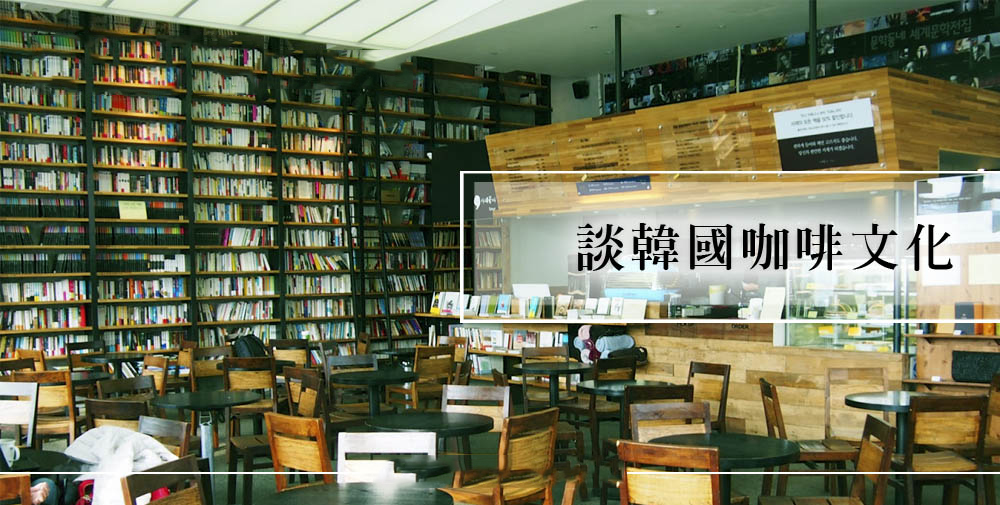
In addition to fried chicken, beer and kimchi, South Korea has an unexpected coffee culture.
The exchange of professional baristas please follow the coffee workshop (Wechat official account cafe_style) if someone asks you what the global industry in Korea is, I think you will be the first to say that it is the entertainment industry with a large number of idols. After all, their global achievements are really very eye-popping, as well as the electronics industry of well-known brands such as LG and Samsung. But it never occurred to you that they still

Starbucks Diaoguang Man Coffee: the tripod is dominated by or.
China's current per capita annual coffee consumption is 5 cups, which is far lower than the annual per capita level of about 300 cups in Japan and South Korea, and the world average is about 240 cups. However, China's coffee consumption continues to grow at an annual rate of 15% to 20%, and is becoming the most potential coffee consumer in the world. At present, there are local, European, American and Korean departments in the Chinese market.

Exploding the three factions of Chinese cafes
At present, China's per capita coffee consumption is 5 cups per year, which is far lower than that of Japan and South Korea, with an average of about 300 cups per person per year. However, coffee consumption in China continues to grow at an annual rate of 15% to 20%, making it the world's most potential coffee consumer. In the current Chinese market, there are three forces active in China, Europe and the United States, and they are using

Overseas tea industry experts remind: Chinese tea should guard against the threat of coffee
At the second Tea Industry Conference held recently, a number of overseas experts warned that Chinese tea should pay attention to the threat from coffee. Although China is a big tea drinker, coffee consumption has grown rapidly in recent years, increasing by about 15% a year. The same is true of South Korea, where coffee consumption has grown by 19.2% a year over the past few years. The main consumer of coffee is 2030 years old.